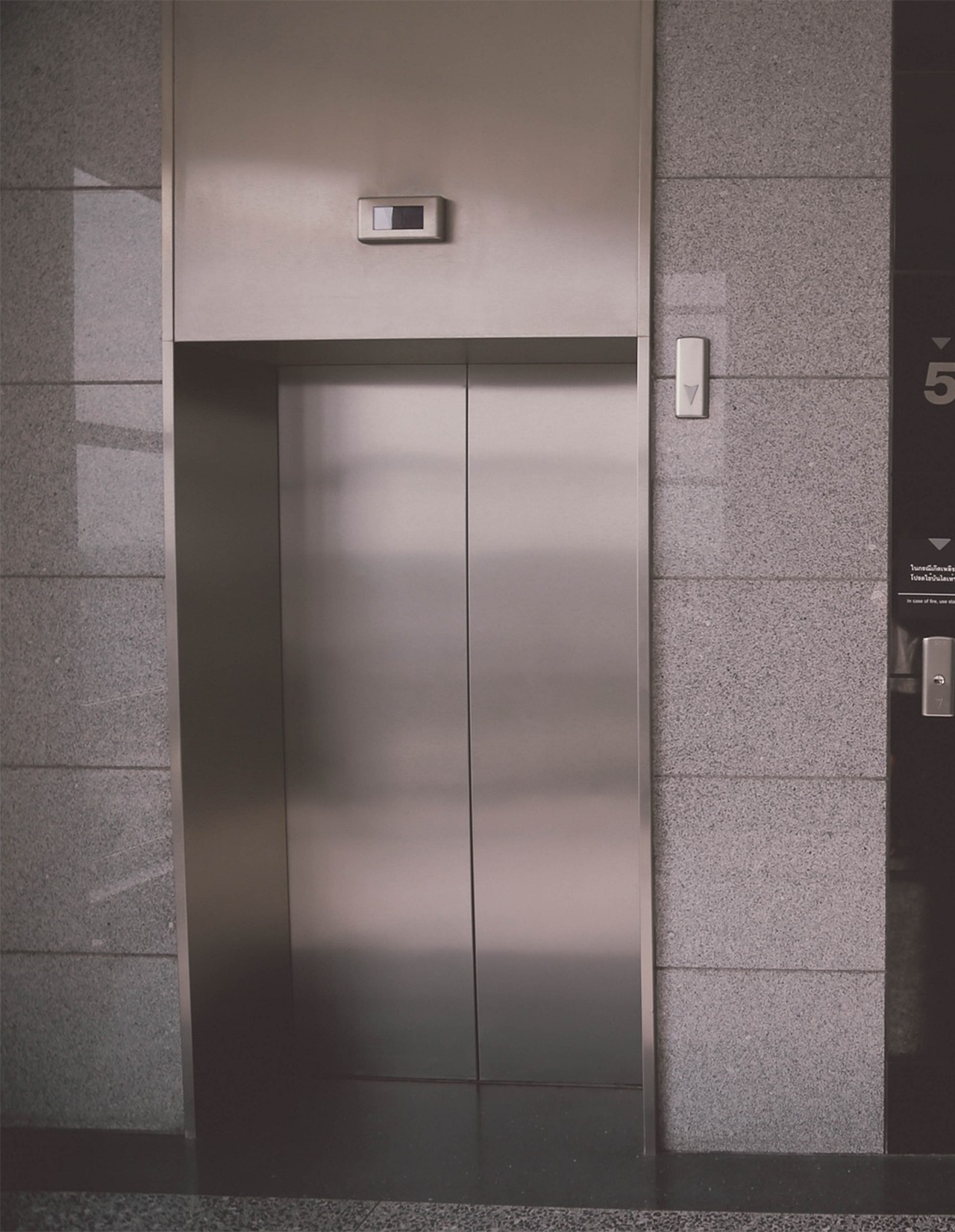
The Elevator Regulation is a regulation that regulates the design, manufacturing, installation, operation, maintenance, and control of elevators used in buildings in our country. Elevators in a resistor site should also be designed, manufactured, installed, operated, and maintained in accordance with this regulation.
According to the Elevator Regulation, elevators in a resistor site must have the following features:
Elevator Regulations
Security Systems: As part of the Elevator Regulation, elevators must have certain safety systems to operate safely, including emergency stop, overspeed, and load protection systems.
Capacity: Elevator capacity should be determined according to the needs of the building residents. Capacity selection should be made in accordance with the standards specified in the Elevator Regulation.
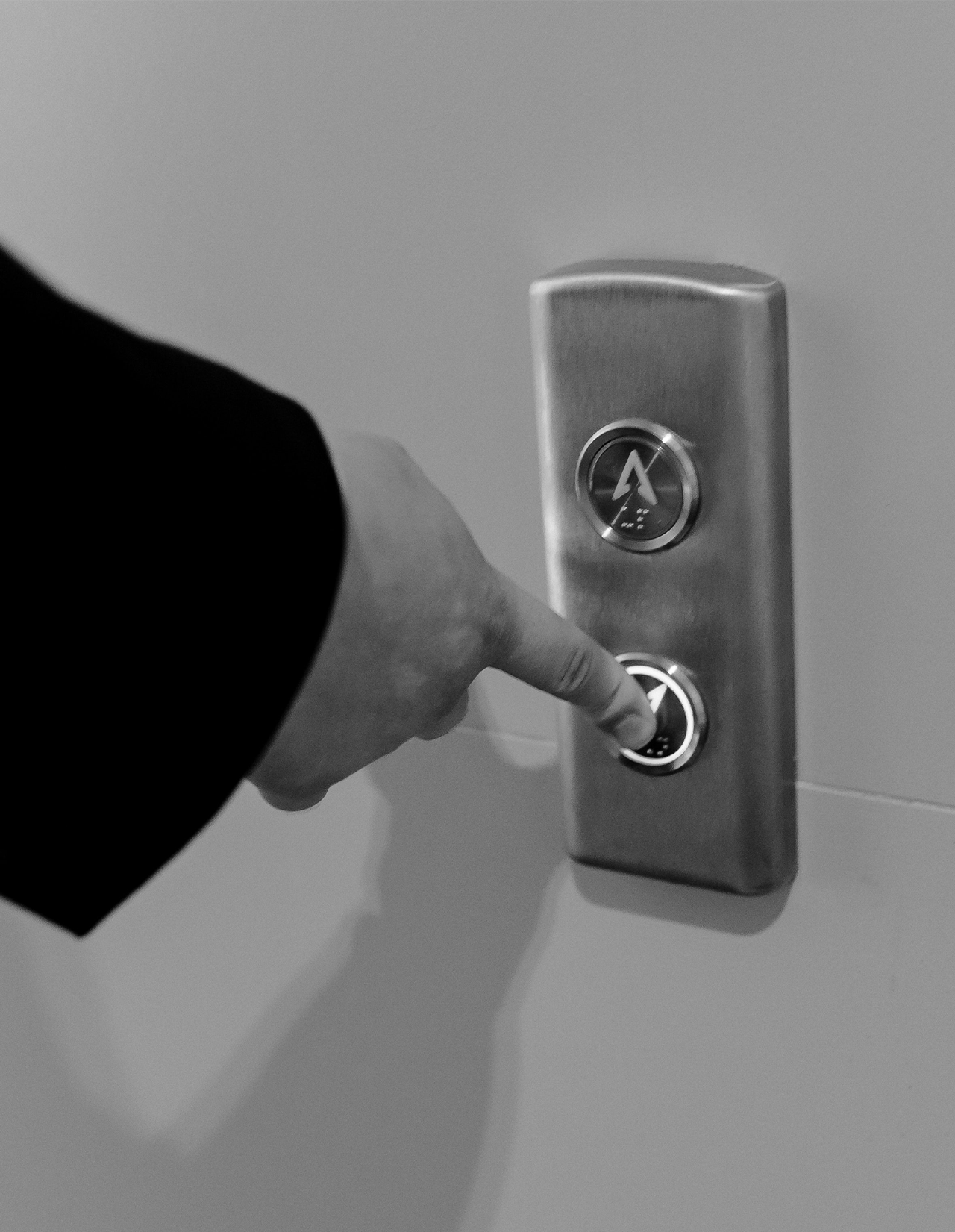
Accessibility: Elevators should be designed to be accessible for disabled citizens. Factors such as the width, height, door openings, and control panel height of the elevators should be determined to be suitable for use by disabled citizens.
Maintenance: Elevators should be regularly maintained. Elevator maintenance should be performed according to the periods specified in the Elevator Regulation. Timely maintenance ensures the safe operation of the elevator.
Inspection: Elevators should be inspected at regular intervals to ensure they are operating safely. Inspections should be performed according to the periods specified in the Elevator Regulation.
Safe operation of elevators is extremely important for the safety of building occupants. Therefore, it is important for elevators in a residential complex to be designed and maintained in accordance with the Elevator Regulation. Regular maintenance of elevators and ensuring their compliance with the regulation is crucial for the safety of residents in a residential complex.